
Pawpaws are all over Kansas City — you have probably driven past dozens of them without ever knowing it. This is the most common question we get at USA Duck Team once people find out we sell pawpaw seedlings: “Wait, pawpaws grow here?” Yes. Kansas City is loaded with wild pawpaw trees, and once you learn to spot the leaf, you will not be able to stop seeing them out your car window.
What Is a Pawpaw?
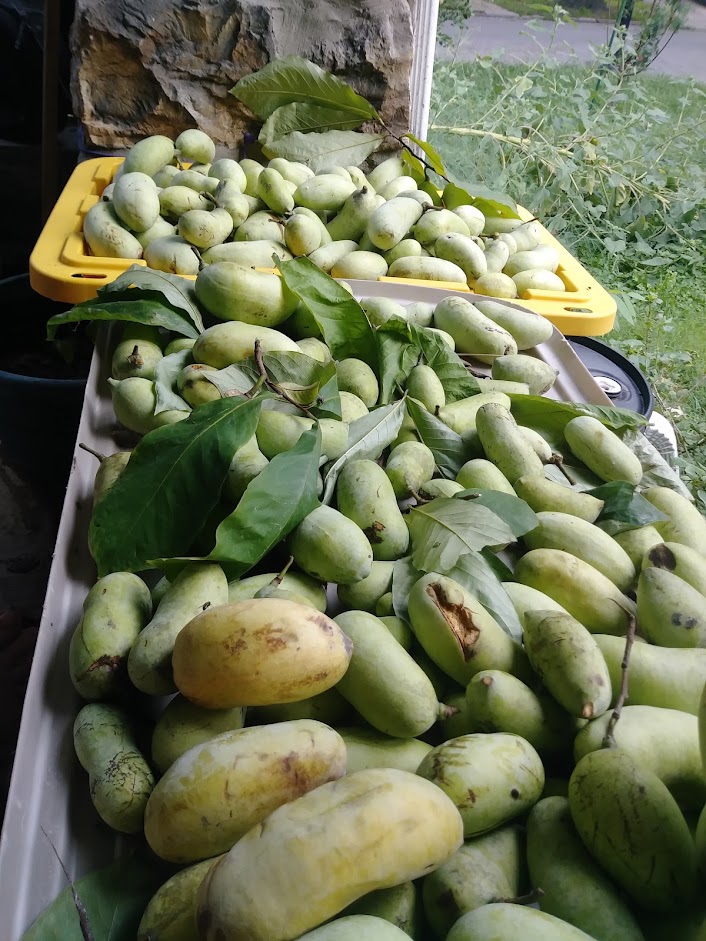
The pawpaw (Asimina triloba) is North America’s largest native edible fruit, and it happens to be native right here in the Kansas City area. The fruit looks something like a short, fat green mango, and the flesh inside is custardy, sweet, and often compared to a cross between banana and mango. Pawpaws grow in the understory of wooded areas, usually in clusters or “patches,” since they spread by root suckers as much as by seed. They ripen in late summer into early fall — the fruit softens and the skin starts to develop dark blotches, which is the signal it is ready. Ripe pawpaws bruise and spoil fast, which is part of why you have probably never seen one in a grocery store. This is some of our pawpaw Kansas City wild harvest batches:
How to Actually Spot Them While You’re Driving
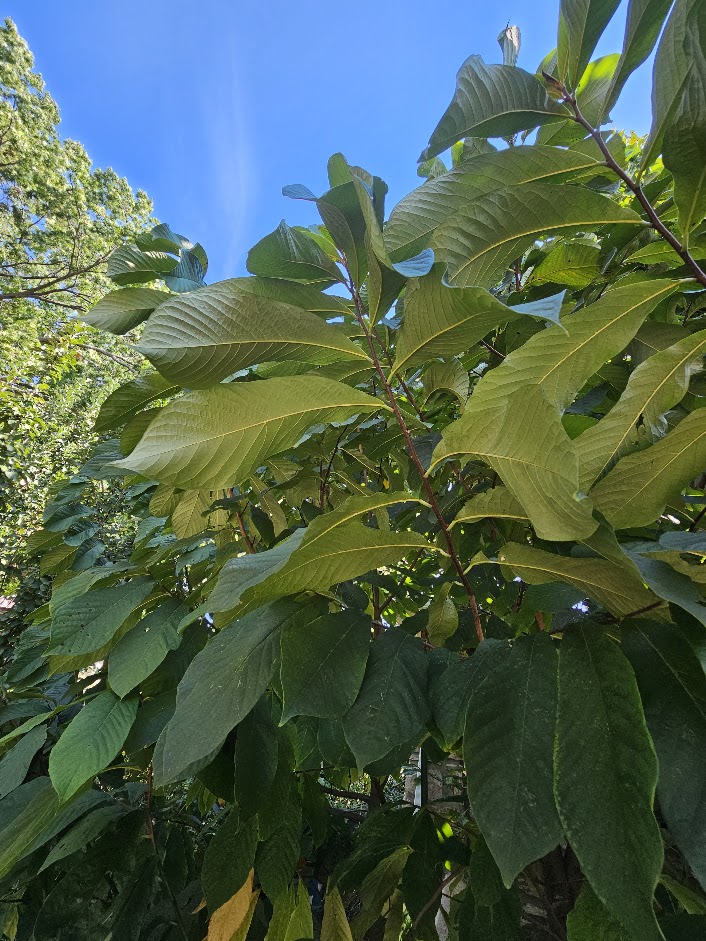
The reason most people never notice pawpaws, despite how common they are, comes down to one thing: nobody has taught them the leaf. Pawpaw leaves are large, drooping, and elongated — a distinctive shape once you know it, easy to miss until you do. Learn that leaf shape, and then start glancing at the tree lines along the highway and the edges of city parks as you drive. Kansas City has an estimated 70,000 pawpaw trees scattered across the metro, compared to roughly 7,000 wild persimmon trees — pawpaws are dramatically more common, they are just harder to notice unless you know what you’re looking for. We know of pawpaws growing wild in at least 15 different Kansas City parks. We are not going to hand out our exact hunting spots — that is pretty standard etiquette among foragers, and we are no exception — but if you learn the leaf and start paying attention, you will start finding your own patches.
How We Grow Our Seedlings
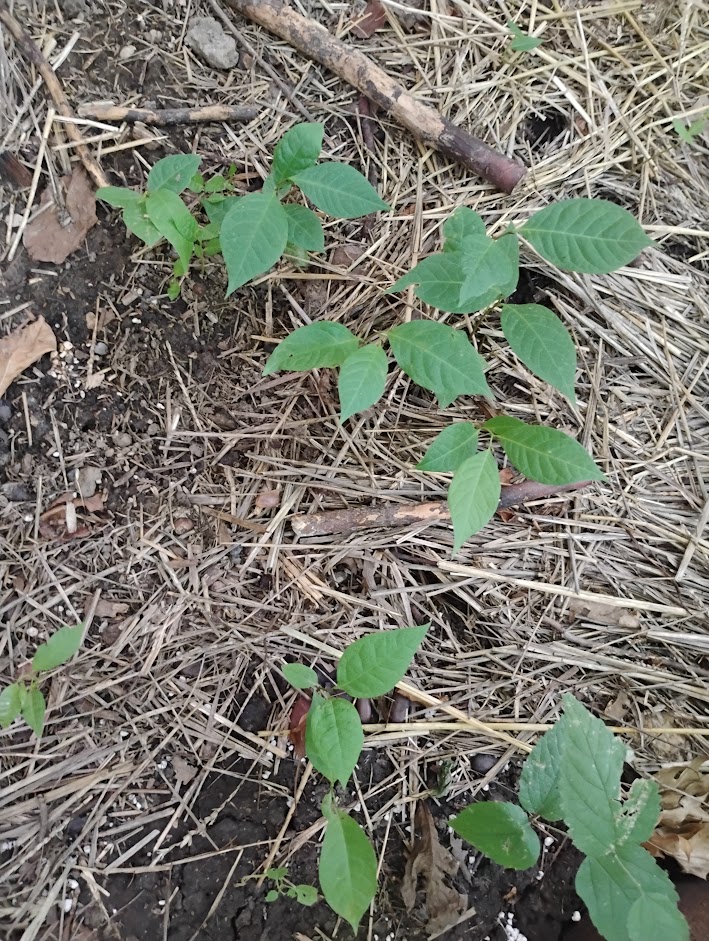
We grow our pawpaw seedlings at USA Duck Team, and our method centers on the microclimate under our own established pawpaw tree. Every year we harvest wild pawpaw fruit from around the area, throw it down underneath our tree, and cover it with duck manure. That combination — the shade and moisture from an established tree plus a nutrient-rich manure cover — produces a strong crop of pawpaw seedlings every single year.
Why We Sell Ours Small — and Why That’s a Good Thing
We sell our pawpaw seedlings as tiny six-inch plants, and we get asked constantly why we don’t offer bigger ones. Here’s the answer: pawpaws grow an enormous taproot relative to their above-ground size. A six-inch seedling already has an 10-inch root attached to it — digging one out at that size is already a challenge. Wait until the seedling reaches 12 inches tall, and the taproot has grown to around 36 inches, at which point digging it out intact becomes nearly impossible.
That taproot is also why bigger potted pawpaw trees are not the upgrade people assume they are. A pawpaw that has spent a long time in a pot has a taproot that never got to do what it’s supposed to do — it’s stunted and coiled instead of driving straight down, and pawpaws do not tend to recover well from that kind of root restriction. The Missouri Department of Conservation’s pawpaw seedlings run into a similar problem from a different angle: they grow their stock for three years before digging them out, and by that point the trees lose most of their root system in the process.
Our seedlings come out of the ground with the taproot intact, because we dig them while they are still small enough to get the whole thing. That is the real advantage of a six-inch USA Duck Team pawpaw seedling over a bigger one from somewhere else — an intact root system on a young plant that has not been stunted by years in a pot or torn up before before mailed dry like the Missouri Department of Conservation. Besides, they sell out within days.
Picking Up Your Pawpaw Seedling
Pawpaw seedlings are $10 each. To get one, send us a message and schedule a pickup appointment — reach out through our contact form, text us, or message us on Facebook. While you’re here, USA Duck Team is worth the visit on its own — the front yard is planted entirely in native species, and the backyard runs ducks, rabbits, and other livestock. Beyond the pawpaws, we grow wild persimmon, gooseberries, Jerusalem artichoke, Jewel Weed, cup plant, and a range of other native plants you’re welcome to come see when you stop by.
Planting Instructions
Keep your seedling in its pot until the taproot starts poking out of the bottom of the pot, then get it into its permanent location as soon as possible after that. Plant it where you actually want it to stay — do not plan on moving it later. That taproot will already be around 18 inches long after just one year, which is too large to safely dig up by the second year. This is the same reason we sell them small and recommend picking them up while they’re little: once a pawpaw’s taproot takes hold, it is not going anywhere. Once it’s planted, protect the seedling from getting stepped on or mowed over — that is the single most common way young pawpaw seedlings are lost, since they’re small enough to get forgotten about or accidentally cut down.
Searching for pawpaw Kansas City? Now you know where to look — both out your car window and right here at USA Duck Team.