Duck Eggs — Eating & Hatching, Direct from the Farm
Duck Eggs — Eating & Hatching, Direct from the Farm
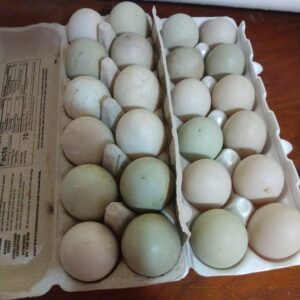
Duck eggs are not chicken eggs. They’re richer, with a higher yolk-to-white ratio and more fat and protein per egg — which is why bakers seek them out for pastries, pasta, and custards that need structure and depth. The shells are thicker, the membranes tougher, and the eggs keep longer. Once you’ve cooked with duck eggs regularly, chicken eggs start to feel like a compromise. Duck eggs are also an excellent option for people with chicken egg sensitivities, as many find them easier to tolerate due to different protein structures.
Hatching eggs from the same farms carry the same quality standard in the other direction — fertile eggs from documented bloodlines, collected from NPIP-certified flocks, handled for hatch viability. Whether you’re setting a clutch in your own incubator or sourcing eggs for a small hatchery program, provenance matters. You want to know what you’re hatching.
Why You Shouldn’t Buy Shipped Hatching Eggs
Shipped hatching eggs are one of the most common disappointments in backyard poultry. The postal system is not designed to protect fertile eggs — vibration, temperature swings, pressure changes, and rough handling all damage the air cell and scramble the internal structures that allow an embryo to develop. Even eggs that arrive intact and uncracked can have invisible internal damage that results in early embryo death or failed hatches. Industry hatch rates on shipped eggs routinely run 30–50%, compared to 80–90% or better from eggs set fresh from a local source.
Beyond hatch rate, shipped eggs carry biosecurity risk. Eggs traveling across state lines can introduce pathogens to your flock and property even when they come from NPIP-certified sources, because certification reflects flock status at time of testing, not at time of shipping. The USDA NPIP program exists precisely because disease transmission through hatching eggs is a documented and serious risk.
The right way to source hatching eggs is locally — from a farm you can visit, whose flock you can see, whose biosecurity practices you can verify. USA Duck Team exists to make that possible. Our network farms are distributed across the country so that buyers can find quality genetics within driving distance rather than gambling on a Priority Mail box.
Eating Eggs
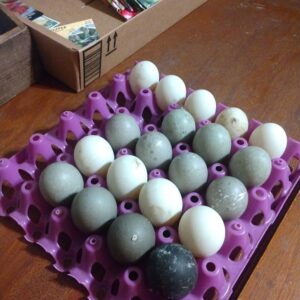
Network farms offer eating eggs in season. Cayuga eggs are among the most visually striking available from any domestic breed — starting the season nearly black and lightening to gray and white as laying progresses. Welsh Harlequin and Ancona hens are among the most prolific layers in our network, producing 250–300 eggs per year. Silver Appleyard hens offer dual-purpose value with strong egg production from a heritage breed worth preserving.
Hatching Eggs
If you’re looking to start or expand a flock with quality genetics, hatching eggs from a local network farm give you the best possible start. Contact the farm directly to ask about breed availability, flock health history, and pickup timing. Fresh eggs set within a week of collection give you the strongest hatch rates.
USA Duck Team network farms produce both eating and hatching eggs from the same birds. When you contact a farm, just let them know what you’re looking for and they’ll set aside the right eggs for you. Use the map below to find network farms near you currently offerin